WishTrailz Team
Expert travel writers and destination specialists at WishTrailz.
When researching about meghalaya tourism, most people look at a rainy forecast and immediately think, "Maybe Meghalaya isn't a good idea right now."
But Meghalaya is different.
Here, rain isn't something that simply happens during the trip. It is part of what makes the landscape so spectacular. Waterfalls become dramatic, forests turn impossibly green, clouds roll through the hills, and the famous living root bridge meghalaya sites feel completely at home in the monsoon.
If you want to see Meghalaya at its wildest, the rain is actually the reason to go.
Cherrapunji: Where the Monsoon Comes Alive

Start with Cherrapunji, or Sohra, one of Meghalaya's most famous destinations and a place strongly associated with India's monsoon landscape.
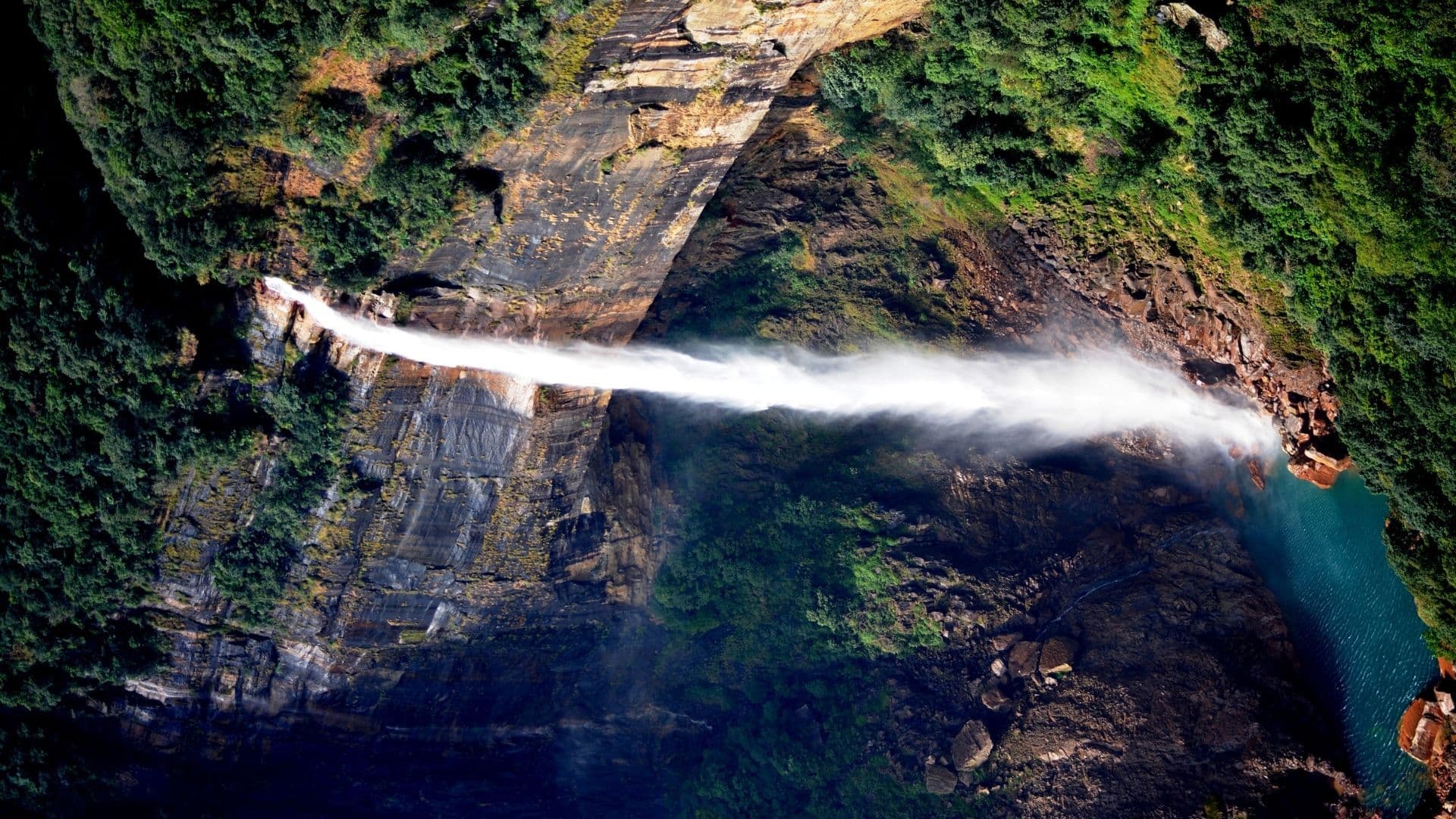
During the rainy season, the surrounding hills become intensely green and waterfalls come alive. Places such as Nohkalikai Falls, Dainthlen Falls and Wei Sawdong Falls can look dramatically different after the rains.
The clouds and mist add another layer to the experience. One moment you may have a clear view across the valleys, and the next, everything can disappear behind a curtain of mist.
That's part of the charm.
The Living Root Bridges: Nature Takes Its Time
One of the most fascinating experiences in meghalaya tourism is seeing the living root bridge meghalaya.
Created by guiding and training the roots of rubber fig trees over streams and waterways, these bridges are not built overnight. They develop naturally over many years and are maintained by local communities.
The most famous is the Double-Decker Living Root Bridge at Nongriat.
Getting there involves a challenging trek with hundreds of steps, but the monsoon makes the surrounding landscape incredibly lush. Streams are fuller, vegetation is greener, and the entire trail feels like you're walking through a rainforest.
Just remember: rain also means slippery trails, so proper footwear is essential.

Waterfalls Are at Their Best
If waterfalls are on your Meghalaya bucket list, monsoon is when you want to see them.
The increased rainfall feeds streams throughout the hills, turning smaller cascades into rushing waterfalls. Nohkalikai, Krang Suri and Wei Sawdong are among the places that can become especially impressive during the wet season.
You may not always get the perfect sunny photograph—and that's okay.
Sometimes the misty, cloudy view is the one that actually captures Meghalaya.
Mawlynnong and the Quieter Side of Meghalaya
Beyond waterfalls and trekking routes, monsoon is also a beautiful time to explore Meghalaya's villages and countryside.
Mawlynnong, known for its clean surroundings and traditional village landscape, becomes especially green during the rainy months.
Drive through the winding roads, stop at viewpoints, explore local villages, and simply enjoy how quickly the scenery changes as clouds move across the hills.

But Is Meghalaya Rainy All the Time?
Not necessarily.
Monsoon showers can be heavy, but weather can change quickly. You may experience rain for part of the day and clearer conditions later.
That said, if you're travelling during the peak monsoon, flexibility is important. Outdoor activities can sometimes be affected by heavy rainfall, slippery trails, or local conditions.
Instead of planning every hour of your trip, keep some buffer time.
The Best Part is Meghalaya Looks Alive
There's something about Meghalaya in the rain that photographs can't completely capture.
You hear water rushing through the forests. Clouds sit low over the hills. Tiny streams appear along roadsides. Moss covers rocks and tree trunks. And landscapes that might look beautiful in summer suddenly feel almost unreal.
So if you're planning a trip and the weather forecast says rain, don't immediately cancel.
Pack a rain jacket, waterproof shoes, a dry bag and go prepared.
Because in Meghalaya, you don't experience the monsoon despite the rain. You experience Meghalaya because of it.
FAQ Section
Is Meghalaya worth visiting during the monsoon?
Yes, especially if you want to see lush landscapes, powerful waterfalls, mist-covered hills and flowing streams. The rain is a major part of its natural character and a highlight of meghalaya tourism.
What is the best time to experience Meghalaya's waterfalls?
The monsoon months, particularly June to September, are generally the best for seeing waterfalls at their fullest. However, heavy rain can occasionally affect accessibility, so check local conditions before visiting.
Is Cherrapunji worth visiting in the rain?
Absolutely. Cherrapunji or Sohra is one of the highlights of Meghalaya during the monsoon. Its waterfalls, cliffs, forests and valleys become particularly dramatic during the rainy season.
Can I visit the Living Root Bridges during monsoon?
Yes, but the trek to a living root bridge meghalaya can become wet, slippery and physically demanding. Wear proper trekking shoes with good grip, carry rain protection, and check local conditions before starting.
How difficult is the Double-Decker Living Root Bridge trek?
It is a demanding trek involving a large number of steps and uneven terrain. The difficulty increases during wet weather, so it's important to be reasonably fit and take sufficient time.
Does it rain continuously in Meghalaya during monsoon?
Not necessarily. Rainfall can be heavy and frequent, but weather conditions can change throughout the day. Some periods may be clearer, while others can bring intense showers and mist.
What should I pack for Meghalaya during monsoon?
Carry a waterproof jacket, quick-dry clothes, trekking shoes with good grip, waterproof bags, extra socks, insect repellent and a protective cover for your phone or camera.
How many days are enough for a Meghalaya trip?
Around 5–7 days is a good starting point for exploring shillong meghalaya tourism, Sohra, waterfalls, living root bridges and nearby villages. Add more days if you want a slower itinerary or additional trekking experiences.
Is Meghalaya safe during the rainy season?
Meghalaya can be visited during the monsoon, but heavy rainfall may occasionally cause slippery roads, trekking hazards or temporary changes to outdoor activities. Always check local weather and road conditions before heading out.
Should I avoid Meghalaya if I don't like rain?
If you strongly prefer dry weather and predictable outdoor conditions, the monsoon may not be ideal. But if you're willing to embrace a little rain, this is when Meghalaya can look its most spectacular.
Plan Your Meghalaya Trip with WishTrailz
WishTrailz creates customised India holiday experiences. Explore our packages and let us help you plan a Meghalaya trip that embraces the rain.
Enjoyed this story?
Explore more destination guides, planning tips, and editorial travel stories from the Wishtrail team.