Wishtrailz Team
Expert travel writers and destination specialists at Wishtrailz.
If you're willing to plan around that uncertainty, this can be one of the most rewarding times to experience Ladakh.
Why Visit Ladakh After the Monsoon?

Unlike much of India, Ladakh sits in a rain-shadow region, so the monsoon has a much smaller impact here.
For travellers determining the best time to visit Ladakh, late September is when the peak summer travel rush is easing. Roads and attractions are generally less crowded, while the weather can still allow access to some of Ladakh's most famous places.
The biggest advantage is that you get to experience places like Pangong Lake and Nubra Valley without the same level of summer-season crowding. And with fewer tourists around, the landscapes feel even more expansive.
Pangong Lake in Late September
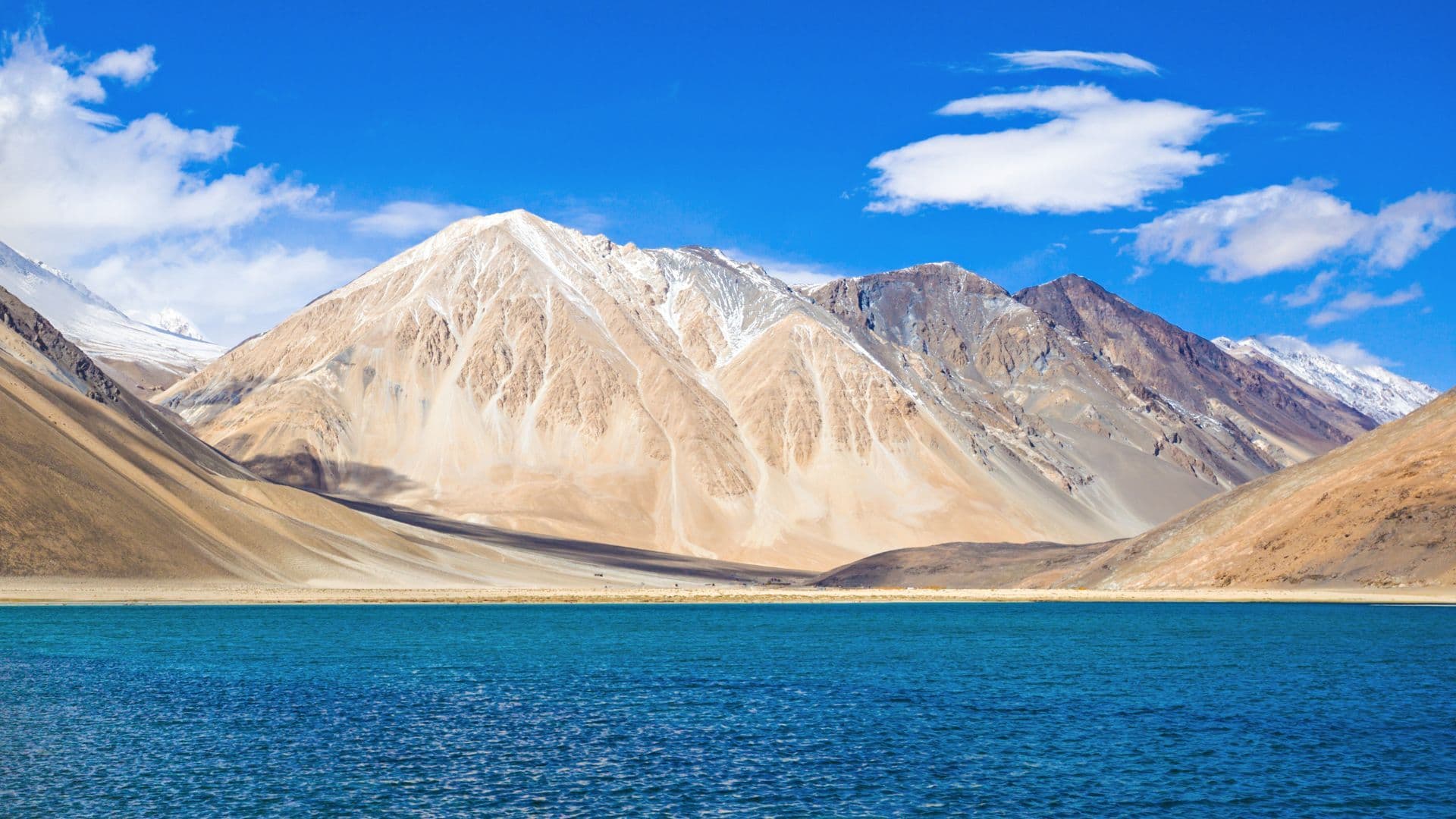
Pangong remains one of Ladakh's biggest draws. The lake's dramatic blue waters, surrounded by barren mountains, look completely different depending on the light and weather.
Late September can be particularly beautiful for photography, with clearer skies and fewer people around compared with the peak months. However, temperatures drop significantly after sunset, so don't underestimate the cold. If you're staying overnight, choose accommodation with proper heating and carry warm layers.
High-altitude passes can experience sudden snowfall, icy conditions and temporary closures as winter approaches. Khardung La, Chang La and other high passes should never be treated as guaranteed road crossings during this period.
Before travelling, check the latest road and weather conditions locally and keep your itinerary flexible. This is also why it's better to avoid planning a tightly packed Ladakh itinerary with no buffer days.

What Will the Weather Be Like?
When evaluating the Ladakh weather in September, days can still be pleasant when the sun is out, but mornings and nights become considerably colder. The temperature difference between day and night can be dramatic, particularly around Pangong and other high-altitude areas.
Pack for winter even if the daytime forecast looks comfortable. Carry:
- Thermal layers
- Fleece or warm jacket
- Windproof outer layer
- Gloves
- Woollen socks
- Sunglasses
- Sunscreen
- Lip balm
- Comfortable shoes
The high-altitude sun can also feel surprisingly strong, so sun protection remains important.
A Simple Late-September Ladakh Route

For a first trip, you could consider:
- Day 1: Leh arrival and adaptation.
- Day 2: Leh local sightseeing
- Day 3: Leh → Nubra Valley
- Day 4: Nubra → Pangong
- Day 5: Pangong → Leh
- Day 6: Monastery and local exploration
- Day 7: Departure
Keep at least one buffer day if possible. Late-season mountain travel is exactly when flexibility becomes valuable.
Is Late September or Early October Right for You?
This window is best suited to travellers who want quieter roads, fewer crowds and dramatic landscapes, and who are comfortable with colder weather and possible last-minute changes. It may not be the right choice if you want guaranteed access to every high-altitude pass or a completely predictable itinerary.
That's the trade-off. You're travelling just before Ladakh begins settling into winter.
FAQ Section
Is late September a good time to visit Ladakh?
Yes. For travellers evaluating the best time to visit Ladakh, late September can offer clear skies, fewer crowds and comfortable daytime sightseeing, although temperatures drop considerably at night and weather conditions can change quickly.
Can I visit Pangong Lake in late September or early October?
Yes, it can be accessible during this period, but road conditions can change with snowfall and freezing temperatures. Always check the latest local updates before travelling.
Is Nubra Valley open in October?
Nubra Valley can remain accessible in early October, but access depends on conditions at the high passes on the route. Keep your itinerary flexible.
Will Khardung La and Chang La be open?
They may be, but there is no guarantee this late in the season. Snowfall or icy road conditions can lead to temporary closures.
Is Ladakh very cold in October?
Yes, particularly after sunset and at high-altitude locations such as Pangong. Warm layers, thermals, gloves and a proper winter jacket are recommended.
Are there fewer tourists in Ladakh after September?
Generally, yes. The peak summer rush begins to ease, making late September and early October considerably quieter than June–August.
How many days are enough for Ladakh in late September?
6–8 days is a good starting point for Leh, Nubra and Pangong. Adding a buffer day is advisable because late-season weather can affect road travel.
What should I pack for Ladakh in late September?
Carry thermals, a warm jacket, gloves, woollen socks, comfortable shoes, sunglasses, sunscreen and lip balm. When preparing for Ladakh weather in September, pack for winter even if Leh feels comfortable during the day.
Late September and early October aren't about getting the most predictable Ladakh trip. They're about catching the region between two seasons — after the summer crowds have started disappearing, but before winter completely takes over.
Clear mountain skies, quieter roads, Pangong's blue waters and Nubra's vast landscapes make this short window worth considering. Just don't wait for the passes to tell you it's winter. By then, it may already be too late.
Enjoyed this story?
Explore more destination guides, planning tips, and editorial travel stories from the Wishtrail team.